
Parenting With Trauma: How to Protect Your Children Without Ignoring Your Own Healing

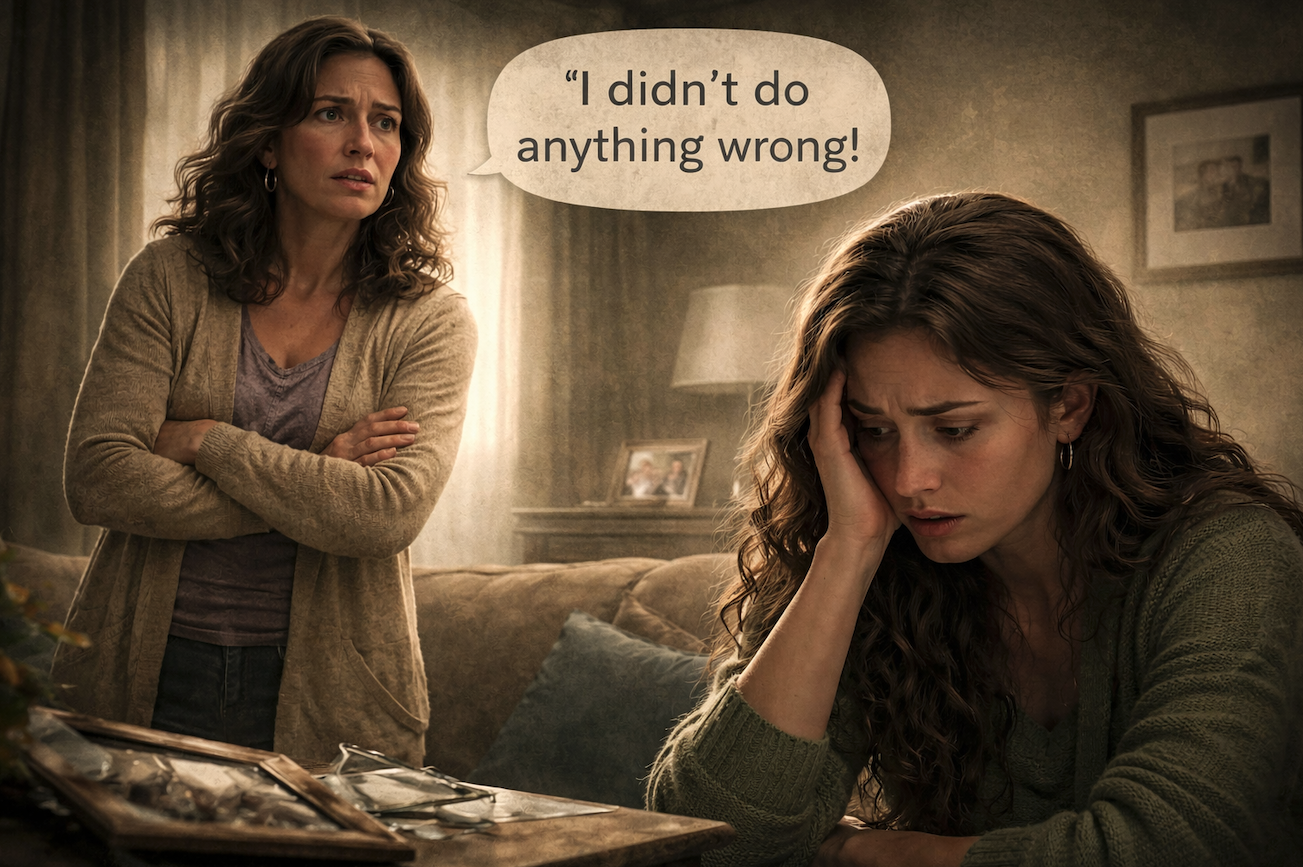


Parenting is hard, even in the best circumstances. When you’re parenting with unresolved trauma, it can feel overwhelming, confusing, and at times deeply triggering. Many parents carry a quiet fear: “What if my past hurts my child?”
The truth is this: having trauma does not make you a bad parent. What matters most is awareness, repair, and support.
Trauma passes down when patterns go unseen, unspoken, and unsupported. Healing changes that.
How Trauma Shows Up in Parenting (Often Without Us Realizing)
Trauma doesn’t usually show up as dramatic moments. More often, it appears in subtle, everyday reactions:
Feeling instantly overwhelmed by your child’s emotions
Taking behavior personally (“They’re rejecting me”)
Swinging between overprotection and emotional withdrawal
Reacting with intensity that feels bigger than the moment
Struggling with guilt, shame, or fear of “messing them up”
These responses aren’t character flaws, they’re nervous system responses shaped by past experiences. Trauma teaches the brain to scan for danger. Parenting, with its unpredictability and emotional closeness, can activate those old survival patterns quickly.
The Difference Between Impact and Intent
One of the most powerful shifts for trauma-informed parenting is understanding this:
Your trauma may impact your child but that does not mean you are harming them.
Children don’t need perfect parents. They need parents who are willing to:
Pause
Reflect
Repair when needed
Model accountability and growth
When parents acknowledge their reactions and take responsibility for repair, children learn emotional safety, not fear.
Why “Trying Harder” Isn’t the Solution
Many trauma-impacted parents try to parent through willpower:
Reading more books
Suppressing reactions
Over-monitoring their behavior
While insight helps, trauma is stored in the body and nervous system, not just the mind. This is why parents often say:
“I know why I react this way… but I still do it.”
Healing requires more than understanding, it requires processing.

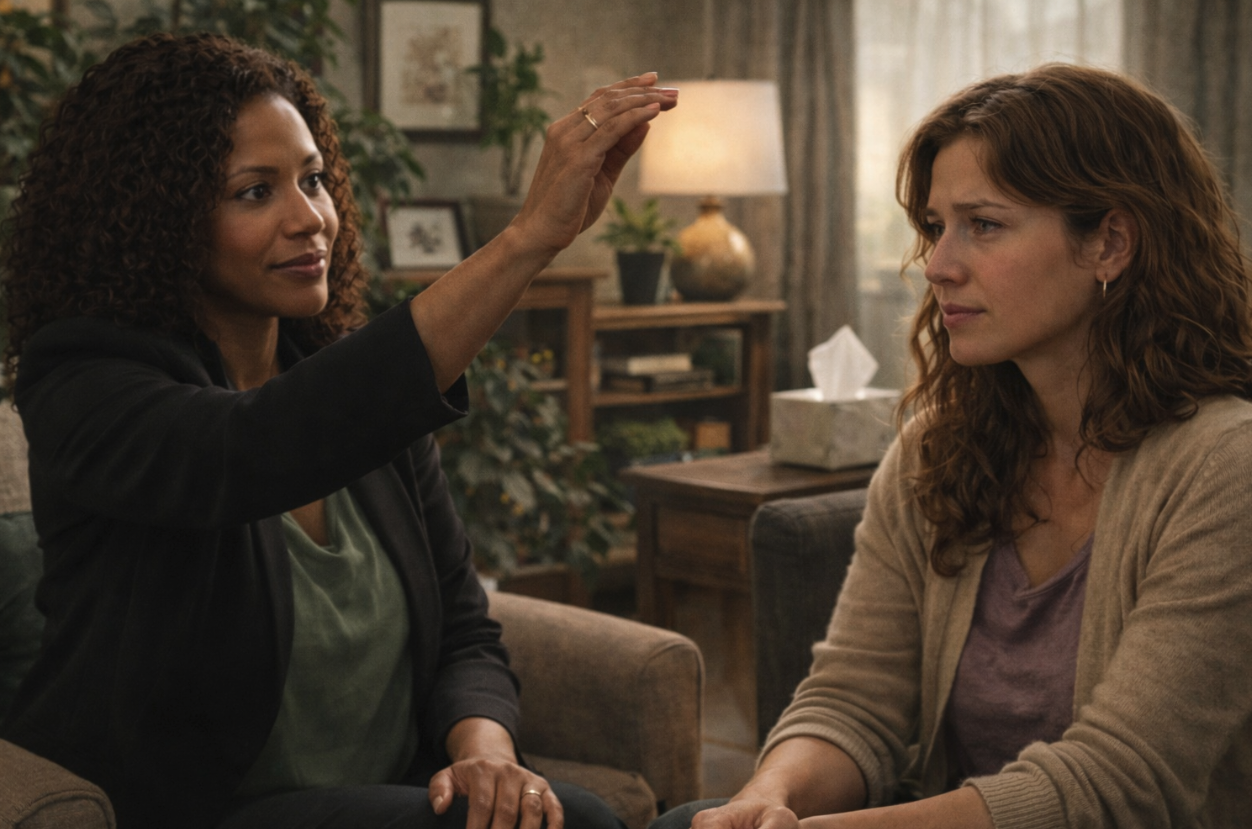


How EMDR Can Help Break Generational Patterns
Eye Movement Desensitization and Reprocessing (EMDR) is a trauma-focused therapy that helps the brain reprocess past experiences that are still influencing present reactions.
In the context of parenting, EMDR can help you:
Identify triggers linked to your child’s behavior
Separate past danger from present moments
Reduce emotional intensity and reactivity
Respond from choice rather than survival
Interrupt patterns before they repeat
A trained therapist doesn’t just help you process memories, they help you see patterns you may not be able to see alone. This outside perspective is often what allows real, lasting change.
✨What Actually Protects Children ✨
Research consistently shows that children are most protected when parents:
Seek support rather than isolate
Repair ruptures instead of avoiding them
Name emotions instead of suppressing them
Model self-reflection and accountability
Engage in their own healing work
Children don’t need parents without trauma.
They need parents who are willing to heal.
🌱Gentle Reminders for Trauma-Informed Parents🌱
You are not repeating the past just because you’re triggered
Awareness is already a form of protection
Repair matters more than perfection
Healing is allowed to happen alongside parenting
You deserve support, not silence
📝 Journaling Prompts for Reflection 📝
You may find it helpful to reflect on the following:
What behaviors in my child tend to trigger me most strongly?
What does my body feel like when I’m triggered as a parent?
What past experiences might be connected to those reactions?
How was emotional safety modeled for me growing up?
What would it look like to respond rather than react in those moments?
Where might support (therapy, EMDR, parenting guidance) help me feel less alone in this process?
Take these slowly, there’s no rush.
Quotes to Sit With
“Children don’t need parents who never struggle. They need parents who are willing to reflect, repair, and grow.”
“Healing yourself is not selfish, it is one of the most protective acts of parenting.”
“Trauma loses power when it is seen, supported, and processed.”
Final Thoughts
If you’re worried about how your trauma might impact your children, that concern alone speaks to your care and intention. Healing isn’t about erasing the past, it’s about ensuring the past doesn’t silently run the present.
Working with a trained, trauma-informed therapist—especially one skilled in EMDR—can be a powerful step in protecting both you and your children. You don’t have to do this alone, and you don’t have to wait until things feel unmanageable.
Healing is possible. For you. And for them.
References & Further Reading
Shapiro, F. (2018). Eye Movement Desensitization and Reprocessing (EMDR) Therapy: Basic Principles, Protocols, and Procedures.
van der Kolk, B. (2014). The Body Keeps the Score.
Siegel, D. J., & Bryson, T. P. (2012). The Whole-Brain Child.
Cozolino, L. (2014). The Neuroscience of Human Relationships.
Felitti, V. et al. (1998). Relationship of Childhood Abuse and Household Dysfunction to Many of the Leading Causes of Death in Adults.